
Bergen County, New Jersey, faces unique challenges in providing effective aftercare for individuals with substance use disorders due to its diverse demographics. High relapse rates emphasize the need for tailored interventions, including alumni peer support programs, community engagement, and customized prevention plans. Data-driven measures are crucial for evaluating and enhancing these bergen county aftercare initiatives, ensuring long-term recovery outcomes.
- Understanding Bergen County Aftercare Needs
- Designing Comprehensive Relapse Prevention Strategies
- Role of Support Groups and Community Engagement
- Measuring Success and Continuous Improvement
Understanding Bergen County Aftercare Needs

Bergen County, located in New Jersey, presents a unique landscape when it comes to understanding aftercare needs within its recovery community. The diverse demographics and varied neighborhoods across this metropolitan area demand tailored approaches for individuals in recovery. Many residents face challenges related to substance use disorders, often requiring long-term support beyond initial treatment. This is where continuing care and relapse prevention programs step in as vital resources.
The need for such programs is evident, especially considering the high rates of relapses observed without adequate aftercare. Alumni programs that foster ongoing support among peers can significantly enhance recovery outcomes. By providing a sense of community, these programs offer a safety net, facilitate shared experiences, and promote resilience against potential triggers. Understanding Bergen County's specific needs allows for the development of targeted interventions, ensuring individuals in recovery have access to the necessary resources to maintain sobriety and build fulfilling lives.
Designing Comprehensive Relapse Prevention Strategies

In designing comprehensive relapse prevention strategies for Bergen County's recovery community, it's crucial to integrate diverse components tailored to individual needs. Continuing care models, often incorporating alumni programs, play a pivotal role in fostering long-term recovery. These programs not only provide ongoing support but also equip participants with effective coping mechanisms and skills to navigate challenges. By combining group therapy sessions, one-on-one counseling, and peer mentorship, these initiatives enhance resilience and significantly reduce the risk of relapse.
Additionally, customizing relapse prevention plans based on personal histories and triggers ensures their effectiveness. Alumni programs, for instance, can offer continuous guidance through shared experiences, creating a supportive network that encourages ongoing participation in recovery activities. Such strategies collectively contribute to building a robust aftercare system in Bergen County, fostering not only individual healing but also strengthening the broader recovery community.
Role of Support Groups and Community Engagement
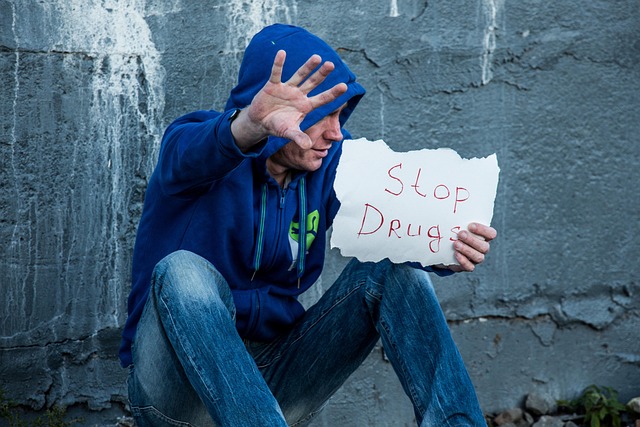
Support groups play a pivotal role in Bergen County's recovery community, fostering a sense of belonging and camaraderie among individuals in recovery. These groups provide a safe space for sharing experiences, offering emotional support, and promoting accountability. Members can connect with peers who understand their struggles, fostering a supportive environment that encourages continued healing. Regular meetings and discussions help individuals stay focused on their goals, navigate challenges, and maintain sobriety.
Community engagement is another crucial aspect of effective aftercare in Bergen County. Connecting with local organizations, churches, and support networks allows for broader access to resources and creates opportunities for integrated care. Alumni programs that facilitate mentorship and community involvement further strengthen the recovery journey by offering ongoing guidance and social support. This collective effort ensures a robust network of assistance, reducing the risk of relapse and promoting long-term recovery among individuals in the community.
Measuring Success and Continuous Improvement

Measuring success is a critical component of any effective Bergen County aftercare program. By setting clear goals and utilizing data-driven methodologies, organizations can assess the impact of their continuing care and relapse prevention initiatives. This involves tracking key performance indicators (KPIs) such as attendance rates, participant engagement, and long-term recovery outcomes. Regular evaluation allows for continuous improvement, ensuring that alumni programs remain relevant and responsive to the evolving needs of the recovery community.
A robust feedback system, involving both participants and facilitators, is essential in this process. Collectively, these insights can pinpoint areas where the existing structure or curriculum requires refinement. Adopting a dynamic approach, where programs are regularly updated based on measured outcomes, ensures that alumni continue to receive tailored support throughout their recovery journey. This iterative process fosters a culture of excellence within Bergen County's recovery community.
Bergen County's recovery community can thrive through comprehensive continuing care and relapse prevention programs. By combining support groups, community engagement, and tailored strategies, individuals in recovery can effectively navigate challenges and maintain their sobriety. Measuring success through data-driven methods ensures these programs evolve to meet the diverse aftercare needs of Bergen County residents. This holistic approach empowers folks to embrace a lasting, fulfilling life in recovery.